ADU Remodeling in Bountiful, UT
Updating an existing accessory dwelling unit, basement apartment or converted space — kitchens, bathrooms, flooring, insulation and layout improvements that bring a dated unit back to a livable standard.
No obligation. Every estimate starts with a straightforward conversation and a walkthrough of your lot.
When Remodeling Beats Rebuilding
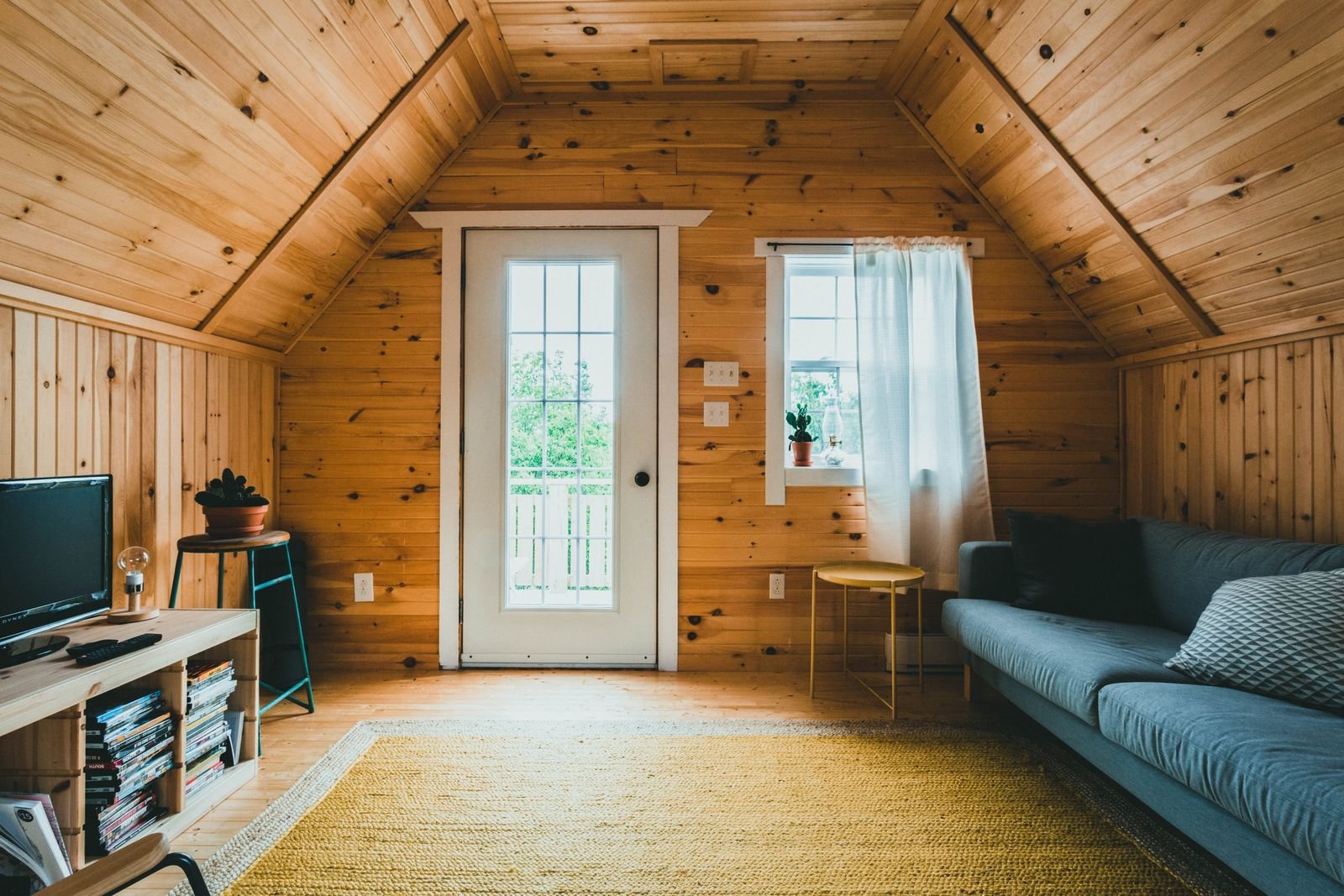
Plenty of Bountiful properties already have an accessory unit of some kind. An older basement apartment finished decades ago. A garage that a previous owner converted with more enthusiasm than insulation. A backyard structure that was livable once and has been used for storage since.
In those cases the expensive parts — the structure, the roof, the utility connections, often the plumbing rough-in — already exist. What has aged out is everything you touch: the kitchen, the bathroom, the flooring, the heating, the lighting, and sometimes the layout itself.
Remodeling an existing unit is usually the fastest route to rentable or livable space on a property, and the least disruptive. There is no excavation, no new foundation and no new roof. Work happens inside a building that is already there.
The judgement call is how much of the existing unit is worth keeping. Sometimes a dated kitchen sits in a fundamentally sound space and the answer is obvious. Sometimes the layout is the actual problem, and moving a wall unlocks more value than replacing every finish in the wrong plan.
What will the remodel cost?
Tick only the work you actually need and the calculator splits it into code items, rooms and comfort, then shows where the scope stops being a remodel and starts costing more than building the unit new.
What an ADU Remodel Covers
Condition of the structure, insulation and moisture history, the age and capacity of plumbing, electrical and heating, and whether the current layout is worth keeping or worth changing.
New cabinetry, countertops, fixtures and appliances, updated bathrooms, flooring throughout, lighting, trim and paint — the parts of a unit that determine how it actually feels to live in.
Improving insulation, addressing draughts and cold floors, updating heating and cooling, and correcting undersized or aging electrical so the unit works through a Wasatch Front winter.
What a Remodel Typically Fixes
Older accessory units in this area tend to share the same set of problems, and most of them are solvable:
- Cold, expensive-to-heat space — often the result of a conversion done without proper wall, ceiling or slab insulation
- Dated kitchens and bathrooms — the single biggest factor in whether a unit reads as a home or as a spare room
- Poor natural light — a common legacy of garage conversions, and usually improvable with window changes
- Awkward layouts — space given to a corridor or an oversized bathroom that a rearrangement can put back into living area
- Undersized electrical — a unit wired for a workshop rather than a household kitchen
- Moisture and drainage issues — particularly in basement units, where the fix belongs outside as much as inside
The result is a unit that can be lived in comfortably year-round rather than one that works in mild weather and is avoided in January.
How an ADU Remodel Runs
1. Walkthrough of the Existing Unit
We go through the space with you: what works, what does not, and what you want it to do afterwards. Rental, family use and guest space lead to different priorities.
2. Condition Assessment
Structure, insulation, moisture history, plumbing and electrical capacity, heating, and the condition of the envelope — the things that decide scope more than taste does.
3. Scope & Layout Decisions
Whether the existing layout stays or changes, which systems need upgrading, and where the budget produces the most improvement per dollar.
4. Estimate & Planning
A project-specific estimate based on what the assessment found, with permitting coordinated where the work requires it.
5. Demolition & Systems Work
Removing what is being replaced, correcting insulation and moisture issues, and updating plumbing, electrical and heating while walls are open.
6. Finishes & Completion
Drywall, kitchen and bathroom installation, flooring, fixtures, lighting and paint, ending with a walkthrough of the finished unit.
Worth Knowing Before a Remodel
A few things shape an ADU remodel more than the finishes you pick:
- Opening walls reveals things — old wiring, moisture damage or missing insulation are common finds in a unit converted years ago, and worth budgeting for
- Insulation is usually the best value — it is invisible, unglamorous, and the single change most likely to make the unit comfortable
- Layout changes are cheaper now than later — if the plan is wrong, replacing finishes inside it just makes an awkward space more expensive
- Basement units need the outside considered — grading and drainage around the house often matter more than anything done indoors
- Rental intent changes the spec — durability of flooring, fixtures and surfaces matters more in a unit you will let than in one a family member occupies
- Some updates trigger requirements — significant changes can bring current standards into play, which is worth confirming with Bountiful City during planning
If the assessment shows the existing unit is not worth saving, we will say so — and the conversation moves to a proper garage conversion or a new detached build. If a layout change is the answer, that starts with design work. We remodel ADUs across Bountiful, Woods Cross, North Salt Lake, Centerville and the wider South Davis area.
ADU Remodeling Questions
Is remodeling cheaper than building a new ADU?
Almost always, because the structure, roof and utility connections already exist. The gap narrows when the existing unit needs significant structural or moisture correction, or when the layout has to change substantially. We give you the honest comparison once we have seen the space rather than assuming remodeling is automatically the better value.
My basement apartment is cold. Can that be fixed?
Usually yes, and it is one of the most common reasons people call. Cold basement units typically come down to missing or inadequate insulation, uninsulated rim joists, draughty windows, and heating that was never sized for the space. Some of it is straightforward; moisture-related cold is more involved because the fix often belongs outside the building as much as inside it.
Can you change the layout, not just the finishes?
Yes, and often that is where the real improvement is. Reclaiming space from an oversized bathroom or a wasted corridor can change how a unit lives far more than new cabinets would. Layout changes need design work first and may involve structural or plumbing implications, which we assess before recommending it.
Will I need permits for a remodel?
It depends on the scope. Cosmetic updates and like-for-like replacements are generally simpler than work that moves walls, changes plumbing or alters electrical capacity. Requirements are set locally and change over time, so we identify what your specific scope triggers and coordinate the process where it applies.
How long does an ADU remodel take?
Considerably less than a new build, since there is no site work or shell construction. The length depends on whether systems and layout are changing or only finishes. We give you a schedule after the assessment, and we flag up front that opening walls in an older unit sometimes extends it.
Can I remodel while a tenant is living there?
Rarely in any meaningful way. Kitchen, bathroom and flooring work makes a small unit uninhabitable while it is underway, and working around an occupant stretches the timeline considerably. Planning the work between tenancies is almost always the better answer.
Have an Older Unit That Needs Work?
Send us the address and a few photos of the existing space. We will walk it with you and tell you what is worth keeping and what is worth changing.
Bring Your Existing ADU Back to Life
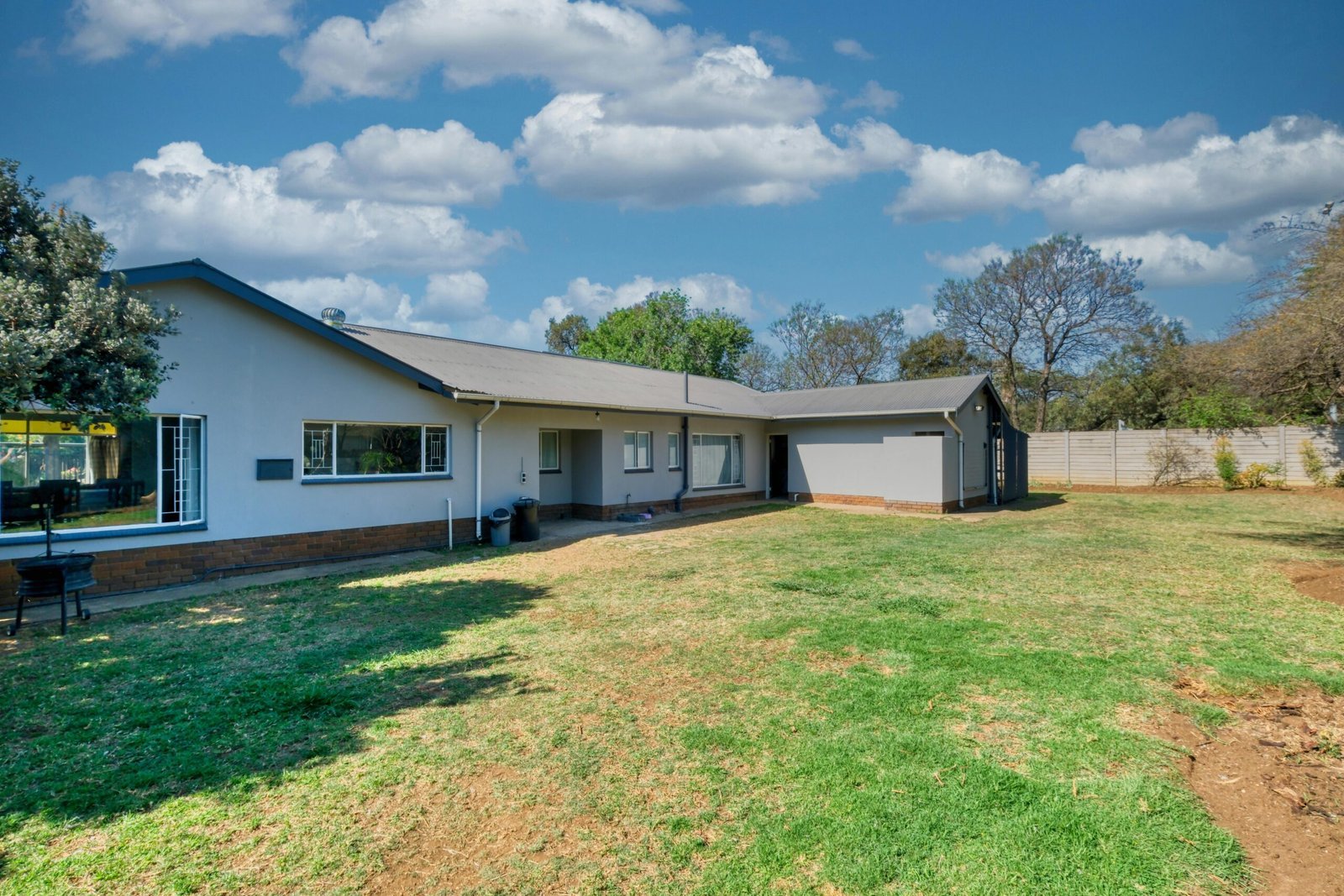
An older accessory unit is usually closer to livable than it looks. The structure is there; what has aged out is everything you touch.
We remodel ADUs, basement apartments and converted spaces across Bountiful and South Davis County — kitchens, bathrooms, insulation, systems, flooring and layout.
Every project starts with an honest assessment of what you already have.